Architecture after the Pandemic
Covid 19 and SIMPROLIT ®
by Architect Slobodan Maldini
The Covid 19 virus pandemic has changed the face of the world. If we ever lived with believing that we can defeat a large number of diseases,and there have even been claims that in the coming decades races will be exempt from all diseases, we have now experienced a cold sobering.
The world is slowly adapting to a new era in which physical human interaction, is minimised. This should lead to a reduction in the number of infected and deceased, but with a drastic change in our life habits; that is, a change in the traditional way of life to which we are accustomed. People are more and more living at a “social distance”, nestled within the higher security of their homes, with direct contact with others being kept to a minimum.
The worldwide reduction of entire industries such as automotive and tourism will surely prompt an evolution in information technology. This will further entice humanity to work, study, and really live from their homes. And instead of the traditional trips to shops and supermarkets, purchases will be made “from the armchair”. Work from home will be married to fun from home; instead of going to restaurants and clubs, people will interact digitally.
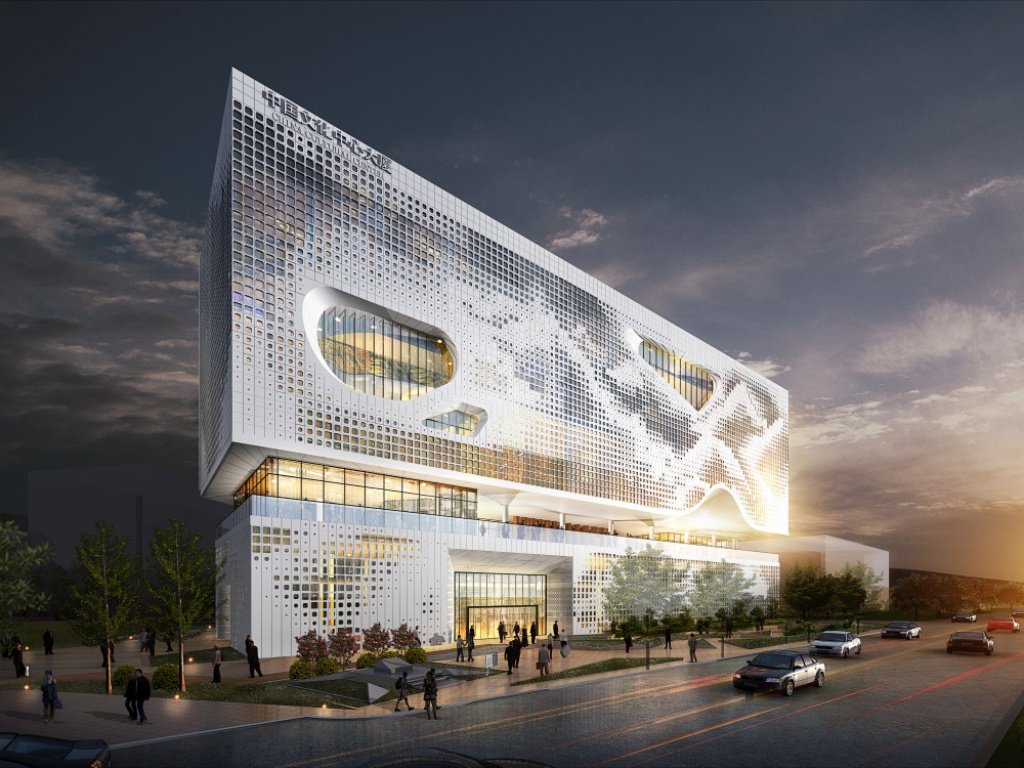
There will thus be significant changes in architecture, construction and interior design. In the field of architecture, new needs are already emerging. The main tendencies in the near future will be to abandon the concept of building huge business facilities and complexes which are occupied by large numbers of employees. In factories, production will be automated to the maximum extent that is possible to ensure a minimum amount of human interaction; and this only at a safe distance.
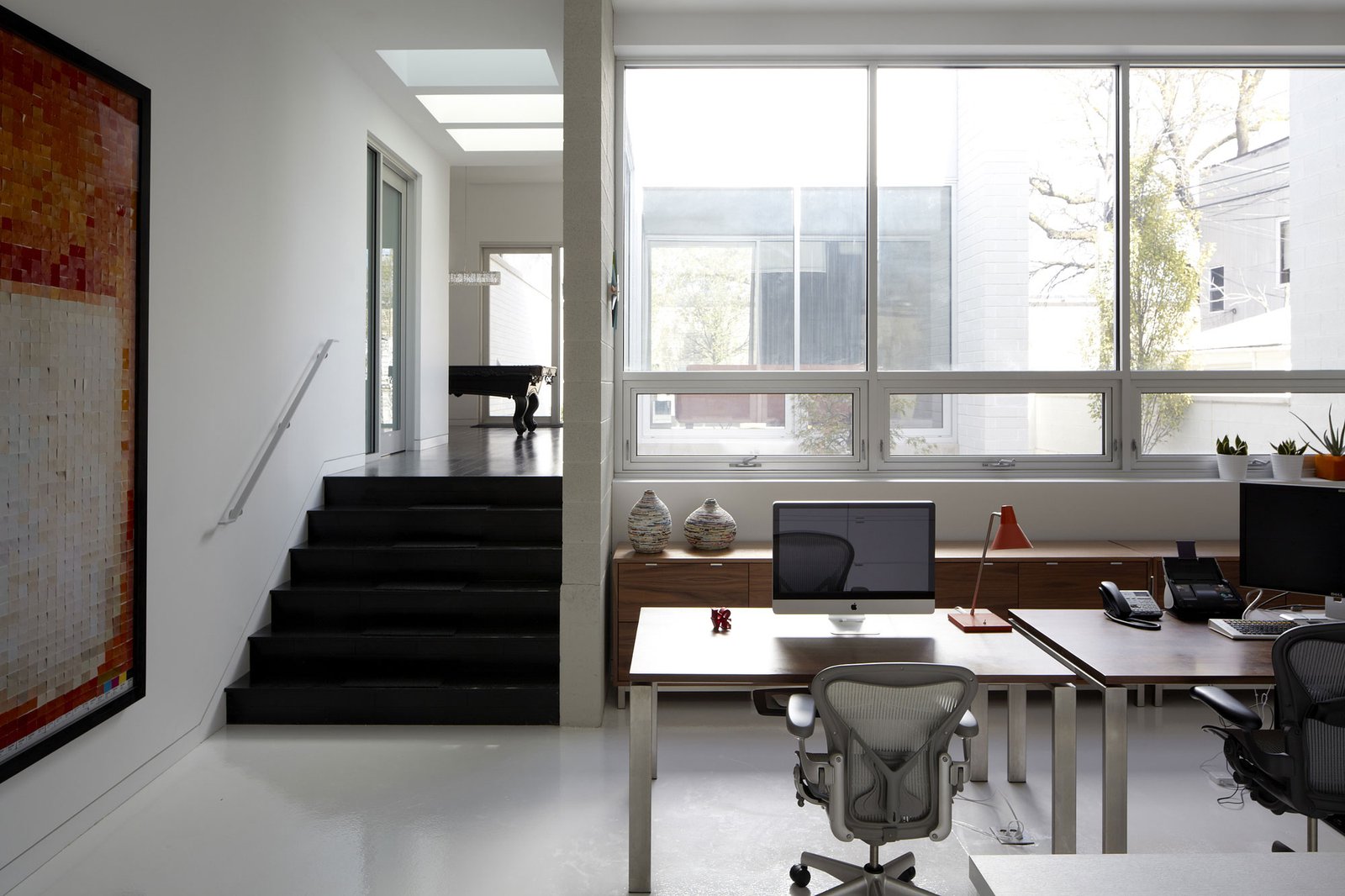
Apartments too, as well as independent houses will thus be designed in manners wherein there will be space for work in the house: office workspace with computers, with a quality internet connection required archive, in short, all the necessary means for normal business, and the weekend zones will be transformed into spaces with houses for permanent, everyday living and a complete life that includes work. Following these trends, architecture will have to provide all the conditions for living and working in one place, which enables the intimacy and isolation of the individual.
The new residential houses will have sections for work, not only for adults, but also for children, who will attend online school classes.
Most of today’s modern building materials perfectly meet the basic needs of the market, especially in terms of load-bearing capacities, installation speed, insulation and economy. However, only a small number of modern building materials have properties which can meet the standards required in terms of population health, especially in a pandemic-based era.
Although widely used, today’s building materials that we find on market, as a rule, are produced in a way that satisfies all construction needs, except the most important one, and that is – the health of the people living, working and staying in them.
Today’s materials mostly do not “breathe”, which is why they represent a kind of dangerous reservoir of sorts of bacteria and viruses. We believe that every building which is not prepared with anti-pathogenic properties in mind accumulates toxic and unhealthy substances that are created as waste during life in the interior of the rooms (products of breathing, sweating, cooking, unpleasant odours, fumes, dust, etc.) throughout the years.
It is very common for our buildings to have used building materials which do not allow proper ventilation of their walls. Such areas are pathogenic; extremely dangerous especially nowadays, and a longer stay in them represents a constant security risk to the health of the inhabitants.
Furthermore, the use of even modern, new thermal insulation systems of buildings still poses a significant health risk, because the most used thermal insulation systems are effective only when dry, which is almost impossible. The moment they are moistened, the thermal insulation property of the material decreases, and even disappears, that is, these materials, instead of being insulators, could well become conductors of temperature.
The next, vital step in modern construction techniques must be that the newly built spaces acquire anti-pathogenic, thermally insulated properties.
The only material that meets all the needed standards, includingt medical ones, is Simprolit, a material of superior technical, technological, physical and medical characteristics, which represents a revolution in modern construction, especially in modern architectural physics.
It is hardly possible to find a building material similar to Simprolit, primarily in terms of technical characteristics: high load-bearing capacity high coefficient of thermal insulation, excellent sound insulation, incombustible (it is practically non-flammable), and high longevity – with an actual longevity certificate, which guarantees that this material will not change its physical and technical characteristics for a minimum period of fifty years and longer.
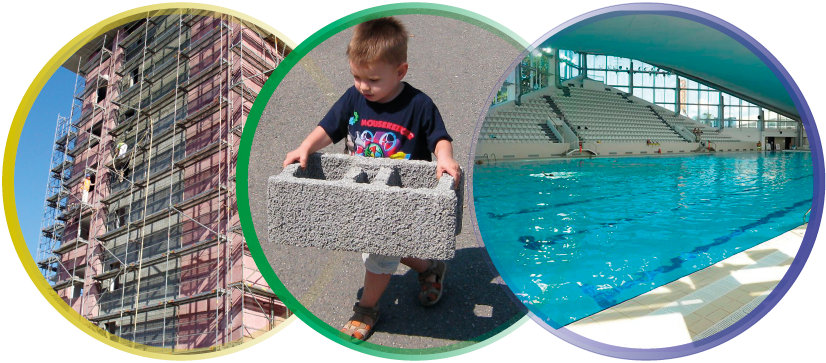
Another incomparable advantage this material has over its traditional counterparts is that it is incomparably lighter. This facilitates the building of tall buildings, and spares the foundations from having to sustain hefty loads.
At the same time, with Simprolit it is possible to execute extremely demanding building constructions of large spans and complexity. It is possible to combine it with steel reinforcement, to build other composite materials of different properties, colours, surfaces. and other physical and aesthetic characteristics. This material is easy to prepare, does not require expensive manufacturing equipment, can be installed on site or as a prefabricated product made in factory.
This material builds quickly, incomparably faster than other competing materials. Its installation can be performed in all climatic zones and conditions, from extreme cold to extreme heat. In economic terms, Simprolit has no competitor; there is no similar construction material on our market that can be delivered at the price of Simprolit, even including the cost of eventual transport to the construction site, which makes its economical application possible thousands of kilometres away from the place of production. It is also possible to produce it directly on the construction site. This is especially important when taking into account the significant cost savings which building in this manner will bring the investor.
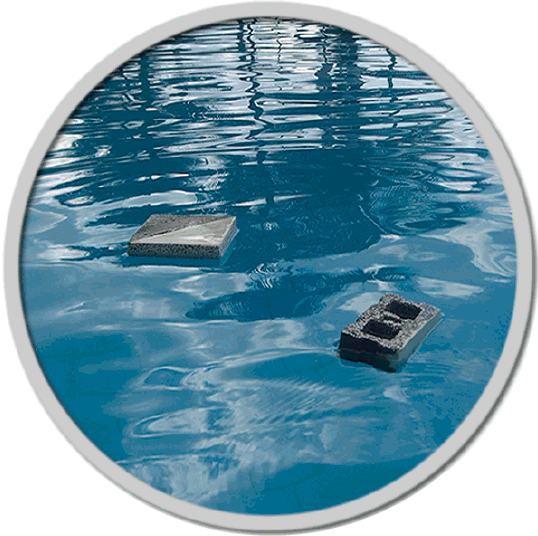
Simprolit is hydrophobic – it does not absorb moisture. There are examples when the simprolit block was laid in the water, in the sea, and it swam without getting wet, which is not possible with any other building material. Simprolit receives moisture up to a certain, minimum level, and then no longer receives it. This feature is very important, especially when building facilities in humid climates.
Due to its extremely low weight and high strength, this is an ideal material for construction in earthquake areas, because it can withstand earthquakes that other building materials cannot.
Employing the Simprolit system does not require a highly technical workforce as it is extremely easy and quick to build with.
From a technical viewpoint, Simprolit’s characteristics are incomparably at a higher level than any other products available on the domestic market; Simprolit simply has no competitor. Its greatest value is that it is the only material that provides complete medical and hygienic protection of its users and as such represents the highest quality construction solution in the pandemic era and after it.
The bottom line is that Simprolit is the right building material and system for building the future.
For further information contact
Simprolit® Malta on
tel. (+356) 9974 9024, via email at office@simprolit.mt ,
or visit the Simprolit website at
Comment